


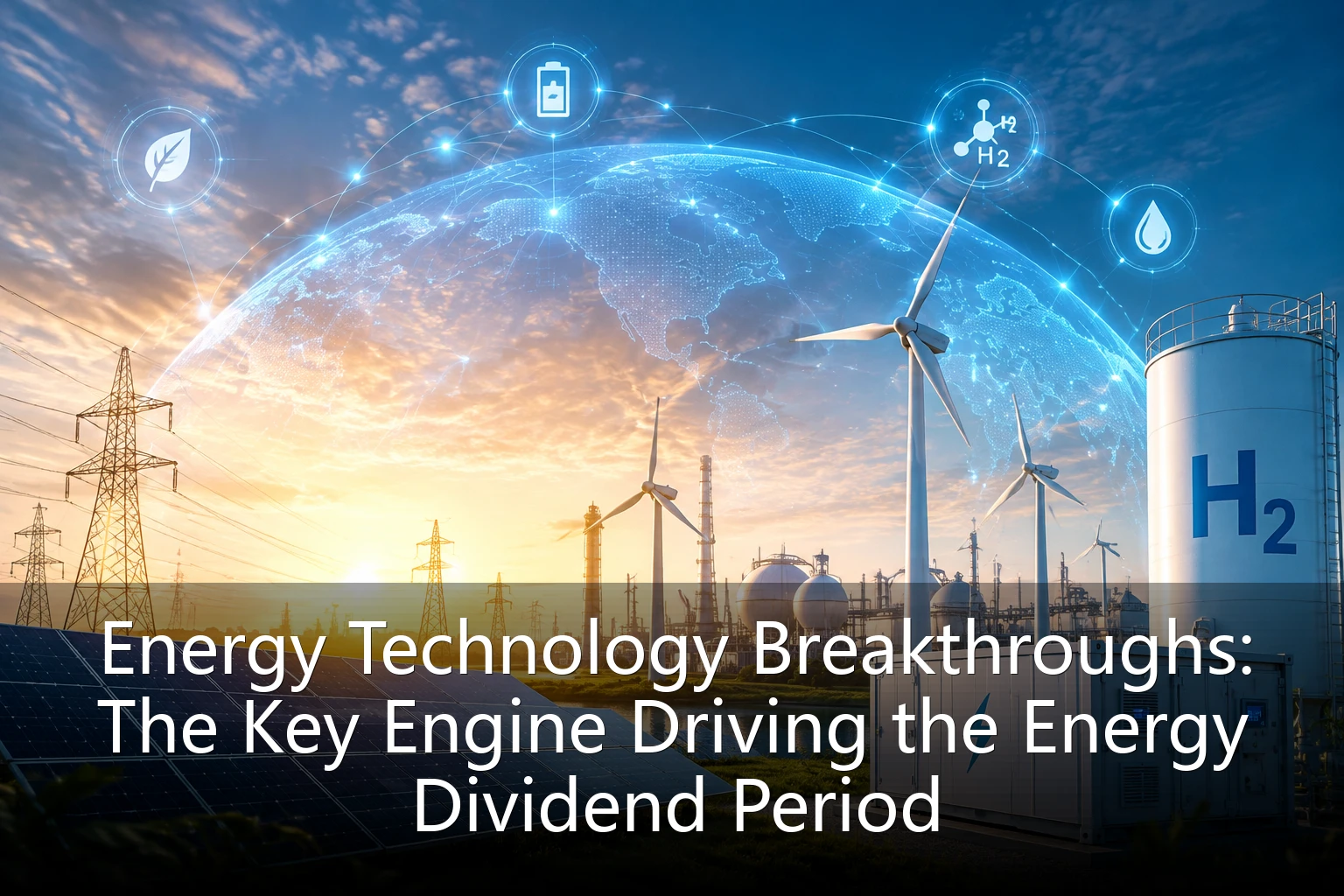
With the accelerating transformation of the global energy structure, energy technology breakthroughs are becoming a key force driving the industry into a new development stage. From improvements in renewable energy efficiency to innovations in energy storage technology, from smart grids to the hydrogen industry chain, a series of major technological breakthroughs are reshaping the energy landscape, bringing unprecedented development opportunities to the global energy industry. This article will analyze from multiple perspectives how energy technology breakthroughs drive the formation of the energy dividend period, explore the transmission logic behind it, envision possible development scenarios, and identify potential risks and challenges.
Main Directions and Progress of Energy Technology Breakthroughs
Currently, energy technology breakthroughs show characteristics of multi-directional and multi-domain collaborative advancement, mainly reflected in the following key areas:
1. Advancements in Renewable Energy Technology
The efficiency of photovoltaic cells continues to increase, rising from the traditional 15% to over 25% today, with new battery technologies such as perovskites achieving breakthroughs at the laboratory level. Wind power technology is developing from onshore to offshore, with single-unit capacity continuously increasing and power generation efficiency significantly improving. Solar thermal power generation (CSP) technology is constantly being optimized, with heat storage efficiency improved to achieve more stable power output. These technological advancements have significantly improved the economic viability of renewable energy, gradually reducing dependence on subsidies and laying the foundation for the formation of the energy dividend period.
2. Innovations in Energy Storage Technology
Energy storage technology is a key support for the flexibility of energy systems. The cost of lithium batteries has decreased by more than 80% in the past decade, with energy density increasing by more than 3 times, making them widely used in electric vehicles and grid energy storage. New energy storage technologies such as flow batteries and sodium-ion batteries are accelerating commercialization, providing diversified solutions for different application scenarios. The efficiency of physical energy storage technologies such as compressed air energy storage and flywheel energy storage has improved, with expanded application scenarios. Breakthroughs in energy storage technology have effectively solved the intermittent problem of renewable energy and improved the reliability and economy of energy systems.
3. Smart Grids and Energy Internet
Smart grid technology is developing rapidly, with the intelligent level of distributed energy management systems improving to achieve precise matching of supply and demand. Energy blockchain technology is emerging, promoting the transparency of energy trading. Digital twin technology is being applied in grid management, improving system resilience and efficiency. The energy internet, as the architecture of the next-generation energy system, achieves collaborative optimization of energy flow, information flow, and value flow through the integration of information and physical systems, providing technical support for the formation of the energy dividend period.
4. Breakthroughs in Hydrogen Energy Technology
As a clean energy carrier, hydrogen energy has made important breakthroughs in production, storage, transportation, and application in recent years. The efficiency of electrolytic water hydrogen production has improved with reduced costs; the durability and power density of hydrogen fuel cells have significantly increased; and hydrogen storage and transportation technologies have diversified, solving bottlenecks in hydrogen energy applications. The advancement of hydrogen energy technology provides new ways for deep decarbonization of energy systems and is expected to play an important role in the future energy landscape.
5. Energy Digitalization and Intelligence
Artificial intelligence technology is widely used in energy forecasting and dispatch optimization, improving the operational efficiency of energy systems. Digital twin technology assists in the refined management of energy systems, achieving full lifecycle optimization. Energy big data analysis platforms are being constructed to improve decision-making efficiency. The integrated application of digital and intelligent technologies is reshaping the entire chain of energy production, transmission, and consumption, injecting new momentum into the formation of the energy dividend period.
How Energy Technology Breakthroughs Drive the Formation of the Energy Dividend Period
Energy technology breakthroughs drive the formation of the energy dividend period through multiple mechanisms, mainly manifested in the following aspects:
1. Cost Reduction Effect
Technological progress directly reduces energy production costs, such as the 90% decrease in photovoltaic power generation costs over the past decade, making it competitive with traditional energy in most regions. Large-scale production further reduces costs, forming a virtuous cycle. Cost reduction enables renewable energy to compete with traditional energy, creating huge market space and pushing the energy industry into a new development stage.
2. Efficiency Improvement Effect
Energy conversion efficiency increases, producing more energy per unit of resource. System integration and optimization reduce energy losses. Intelligent management improves energy utilization efficiency and reduces waste. The efficiency improvement effect significantly enhances the overall economy of energy systems, providing internal impetus for the formation of the energy dividend period.
3. Market Expansion Effect
The application of new technologies creates new market demands and business models. The transformation of energy services from single products to comprehensive solutions. Energy democratization enables more entities to participate in energy production and consumption. The market expansion effect breaks the monopoly pattern of traditional energy markets, bringing new growth points to the energy industry.
4. Industrial Upgrade Effect
Traditional energy enterprises transform into comprehensive energy service providers with more diversified business models. New energy industry chains are formed, driving the development of related industries. Energy integration with other industries creates new growth points. The industrial upgrade effect promotes the structural optimization of the energy industry and improves overall competitiveness.
5. Environmental Benefit Effect
Clean energy replacement reduces carbon emissions and lowers environmental costs. Energy efficiency improvement reduces resource consumption and alleviates resource constraints. The promotion of circular economy models achieves efficient resource utilization. The environmental benefit effect makes energy development more sustainable, laying the foundation for long-term dividends.
Analysis of Possible Scenarios for the Energy Dividend Period
1. Short-term Scenario (1-3 years)
In the short term, the installed capacity of renewable energy will grow rapidly, with some areas achieving grid parity. The commercialization of energy storage technology will accelerate, solving the intermittent problem of renewable energy. The popularization of energy digitalization applications will improve energy management efficiency. Policy support will increase, promoting energy technology breakthroughs and applications. The main feature of this stage is rapid technological iteration and market cultivation, laying the foundation for the comprehensive arrival of the energy dividend period.
2. Medium-term Scenario (3-5 years)
In the medium term, renewable energy will become the mainstream energy, with some areas achieving high-proportion renewable energy supply. The hydrogen industry chain will initially take shape, achieving large-scale application in specific fields. Smart grids will be fully covered, and the energy internet architecture will be basically formed. Energy market mechanism innovation will promote the participation of multiple entities. The main feature of this stage is the formation of industrial ecology and the improvement of market mechanisms, with the energy dividend effect beginning to appear.
3. Long-term Scenario (5-10 years)
In the long term, the energy system will achieve deep decarbonization, basically realizing carbon neutrality goals. Distributed energy and centralized energy will develop in coordination, with a diversified energy structure. The energy internet will deeply integrate with the industrial internet and transportation internet. The global energy governance system will be restructured, forming a new energy cooperation pattern. The main feature of this stage is the fundamental transformation of the energy system form and the comprehensive release of energy dividends.
Risks and Challenges Facing the Energy Dividend Period
1. Technology Risks
Certain technological breakthroughs may not meet expectations, such as the slowing cost reduction of energy storage technology, which may affect the energy system transformation process. Mistakes in technology route selection may lead to resource misallocation and huge waste. Technology security risks, such as network security threats to energy system stability, require high attention. Technology risks are the fundamental challenges facing the energy dividend period and need to be addressed through continuous innovation and risk management.
2. Market Risks
Energy price fluctuations affect investment returns and increase market uncertainty. Imperfect market mechanisms lead to inefficient resource allocation. Changes in the international energy market affect the development path of energy technology. Market risks need to be addressed through improving market mechanisms and enhancing market resilience.
3. Policy Risks
Insufficient policy continuity affects long-term investment decisions. Obstacles in international cooperation affect the development of global energy technology. Lagging supervision of technological development constrains innovative applications. Policy risks need to be addressed through strengthening policy coordination and improving policy foresight.
4. Social Risks
The employment structure adjustment during the energy transition needs to be properly handled. Energy equity issues need to ensure energy accessibility for vulnerable groups. Public acceptance issues, such as resistance to new energy facilities, require enhanced communication and guidance. Social risks need to be addressed through inclusive transition and social participation.
5. Resource Risks
Tight supply of key mineral resources affects the development of the new energy industry. Land resource constraints limit large-scale development of renewable energy. Water resource limitations affect the development of some energy technologies. Resource risks need to be addressed through technological innovation and resource recycling.
Conclusion
Energy technology breakthroughs are driving the global energy industry into a new development stage, forming an energy dividend period. This period is characterized by multiple features such as cost reduction, efficiency improvement, market expansion, industrial upgrading, and environmental benefits, providing strong impetus for economic and social development. However, the formation of the energy dividend period also faces multiple risks and challenges in technology, market, policy, society, and resources. Seizing the opportunities brought by energy technology breakthroughs while effectively responding to various risks is key to maximizing the value of the energy dividend period. In the future, with the continuous advancement and innovation of energy technology, the connotation and form of the energy dividend period will continue to enrich, injecting continuous momentum for global sustainable development.
