


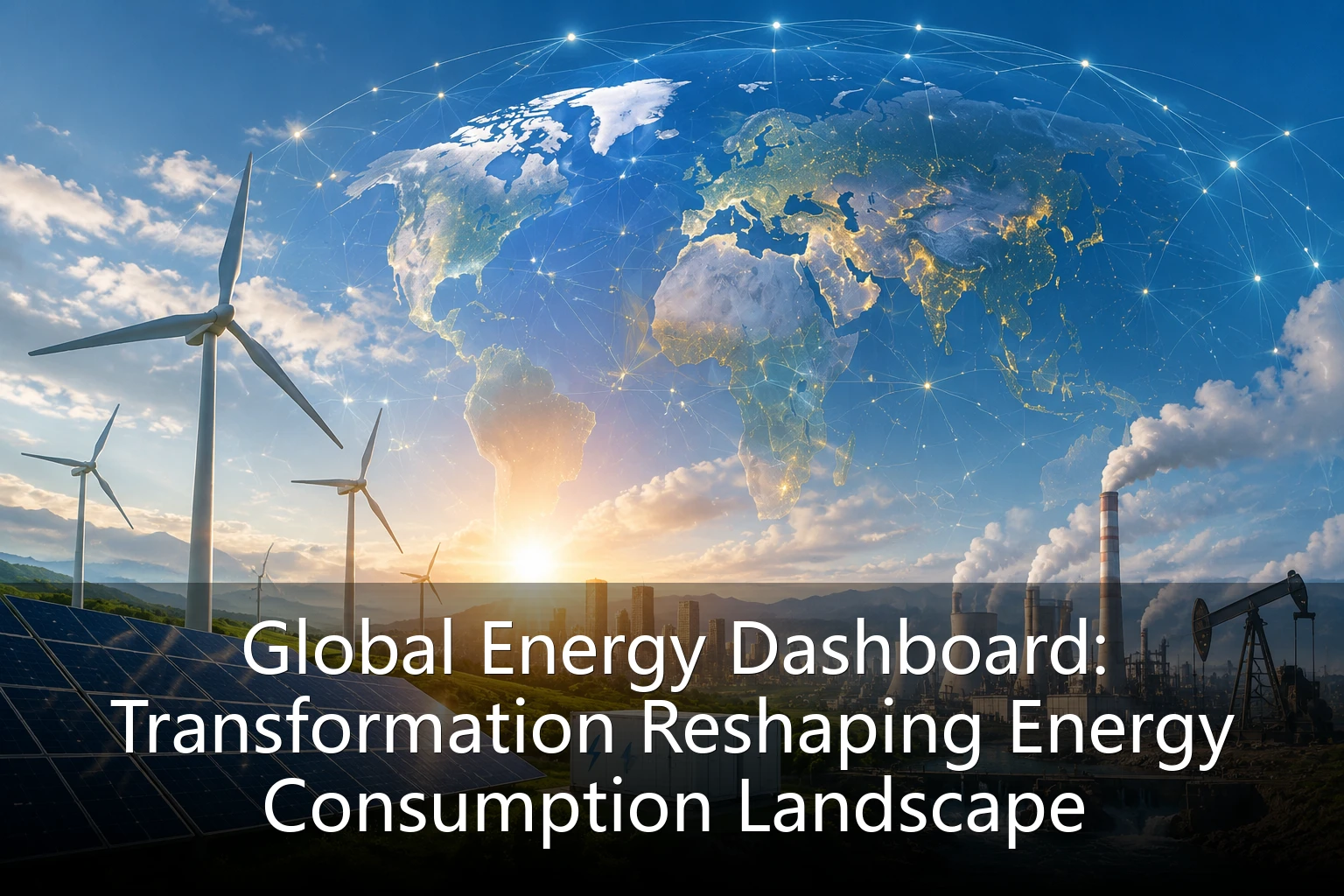
Global Energy Consumption Dashboard: Energy Transformation Accelerates Reshaping of Global Energy Consumption Landscape
\nIn 2026, global energy transformation has entered a critical stage, with national policies and technological innovations profoundly changing energy consumption structures. As carbon neutrality goals advance, the share of renewable energy continues to increase while traditional energy gradually phases out, and the global energy consumption landscape is undergoing unprecedented reconstruction. This article will provide an in-depth analysis of the impact of energy transformation on global energy consumption and explore future trends in energy consumption development.
\n\nEnergy Transformation: Historical Changes in Global Energy Consumption Structure
\nEnergy transformation has become a core issue in global energy development. According to the latest data from the International Energy Agency (IEA), global primary energy consumption growth slowed to 1.5% in the first half of 2026, but the share of renewable energy jumped to 35%, a historic high. This transformation marks the acceleration of the global energy system's transition from an old pattern dominated by fossil fuels to a new pattern that is clean, low-carbon, and efficient.
\n\nThe main driving forces for energy transformation come from three aspects: the need to address climate change, cost reductions brought by technological advancements, and energy security considerations. Governments around the world are setting ambitious carbon neutrality goals to promote energy structure optimization. The EU proposed that renewable energy should account for 42.5% by 2030, China aims to achieve carbon peak before 2030, and the United States is vigorously supporting clean energy development through the Inflation Reduction Act.
\n\nRise of Renewable Energy: Reshaping the Global Energy Consumption Map
\nThe rise of renewable energy is the most prominent feature of energy transformation. In the first half of 2026, global renewable energy investment broke through the trillion-dollar mark, a historic high. Solar and wind energy, as the main forces of renewable energy, have seen continuous rapid growth in installed capacity, becoming the primary source of new power generation installations.
\n\nThe solar photovoltaic industry has been particularly impressive. Global solar photovoltaic installations have exceeded the 2TW milestone, marking a new era for renewable energy. Technological innovation has continuously reduced the cost of photovoltaic power generation, making it the most economical power generation method in most regions. Meanwhile, wind power installations have maintained strong growth, especially with offshore wind projects accelerating worldwide.
\n\nBreakthroughs in energy storage technology have provided key support for the large-scale application of renewable energy. Global energy storage installations have exceeded the 200GW milestone for the first time, with long-duration energy storage technology reaching an inflection point. Energy storage systems address the intermittency and volatility of renewable energy, improving the flexibility and stability of the power system.
\n\nPhase-out of Traditional Energy: The Changing Role of Coal and Natural Gas
\nAs the share of renewable energy increases, the proportion of traditional energy in global energy consumption is gradually declining. In the second quarter of 2026, global coal demand fell by 4.2%, with China contributing the largest decrease. Coal's share in the global power structure has reached a historic low, and many countries have announced timetables for gradually phasing out coal-fired power.
\n\nNatural gas, on the other hand, plays the role of a "bridge energy" during the transition period. On one hand, as a low-carbon fossil fuel, natural gas provides necessary peak-shaving capacity before large-scale grid integration of renewable energy. On the other hand, natural price volatility has increased, with prices soaring by over 40% in July 2026 alone, reflecting market adjustments during the energy transformation process.
\n\nThe oil market is also undergoing profound changes. As transportation electrification accelerates, oil demand growth has slowed, especially in the passenger vehicle sector. However, oil demand in aviation, shipping, and chemical industries remains resilient, and the oil market is gradually shifting from growth in "quantity" to improvement in "quality."
\n\nImprovement in Energy Efficiency: A Key Force in Curbing Energy Consumption Growth
\nIn the process of energy transformation, improving energy efficiency plays a crucial role. Through technological innovation and policy guidance, global energy intensity (energy consumption per unit of GDP) has continuously decreased, effectively curbing excessive growth in energy consumption.
\n\nThe industrial sector is a key area for improving energy efficiency. The widespread application of advanced manufacturing processes, waste heat recovery systems, and smart energy management technologies has significantly reduced energy consumption in the industrial sector. In the building sector, energy efficiency standards are continuously improving, the proportion of green buildings is rising, and building operational energy consumption has been significantly reduced.
\n\nThe electrification transformation in the transportation sector is another important way to improve energy efficiency. The rapid growth of new energy vehicle ownership and the continuous improvement of charging infrastructure networks have promoted the optimization of energy consumption structure in the transportation sector. Meanwhile, the popularization of public transportation and shared mobility models has also improved the overall energy efficiency of the transportation system.
\n\nRegional Differentiation: Different Paths in Global Energy Transformation
\nGlobal energy transformation shows obvious regional differentiation. The Asia-Pacific region, especially China and India, has become the main driver of global energy consumption growth. China's renewable energy installations have exceeded 1.6 billion kilowatts, while India has surpassed the EU to become the world's third largest energy consumer, with Asia dominating the new pattern of global energy consumption growth.
\n\nEurope is at the forefront of energy transformation, with EU member states generally setting ambitious carbon neutrality goals and detailed implementation paths. The main challenge for Europe's energy transformation is how to accelerate the transition to clean energy while ensuring energy security.
\n\nIn North America, the United States is vigorously supporting clean energy development through the Inflation Reduction Act, while Canada is actively promoting energy transformation with its abundant hydropower and wind energy resources. Latin America and Africa have abundant renewable energy resources but face challenges such as insufficient funds and weak infrastructure, making their energy transformation process relatively lagging.
\n\nFuture Challenges and Opportunities: Long-term Outlook on Energy Transformation
\nDespite significant progress in energy transformation, many challenges remain. The intermittency and volatility of renewable energy pose challenges to grid stability, requiring further strengthening of energy storage technology and smart grid construction. The issue of fairness in the energy transformation process is also becoming increasingly prominent, with a need to address the transition needs of workers in traditional energy industries.
\n\nAt the same time, energy transformation has also brought huge opportunities. The renewable energy industry has become an important engine of global economic growth, creating numerous jobs. Emerging fields such as energy storage, hydrogen energy, and smart grids are experiencing explosive growth, providing abundant opportunities for energy investors.
\n\nTechnological innovation will continue to drive energy transformation to deepen. Breakthrough innovations in new-generation photovoltaic technology, advanced energy storage technology, and green hydrogen technology will further reduce clean energy costs and improve energy system efficiency. The deep integration of digital and intelligent technologies with energy systems will reshape the entire chain of energy production, transmission, and consumption.
\n\nConclusion: Energy Transformation Reshaping the New Global Energy Consumption Landscape
\nEnergy transformation is profoundly reshaping the global energy consumption landscape, with the share of renewable energy continuously increasing, traditional energy gradually phasing out, and energy efficiency continuously improving. This transformation is not only an inevitable choice to address climate change but also an inherent requirement for the development of the energy system itself.
\n\nIn the future, as carbon neutrality goals advance, energy transformation will further accelerate. Countries will explore different transformation paths based on their own resource endowments and development stages. Technological innovation and policy guidance will continue to promote the evolution of energy systems toward a clean, low-carbon, and efficient direction, providing solid support for global sustainable development.
\n\nFor energy investors and practitioners, grasping energy transformation trends, identifying emerging opportunities, and addressing potential challenges will be key to future success. Energy transformation is not only a technological revolution but also a profound economic and social transformation that will open up new paths for global energy development.
